17 Elementary School Teachers Integrate Cybersecurity into Math, Science Lessons with Help from College of Education Researchers
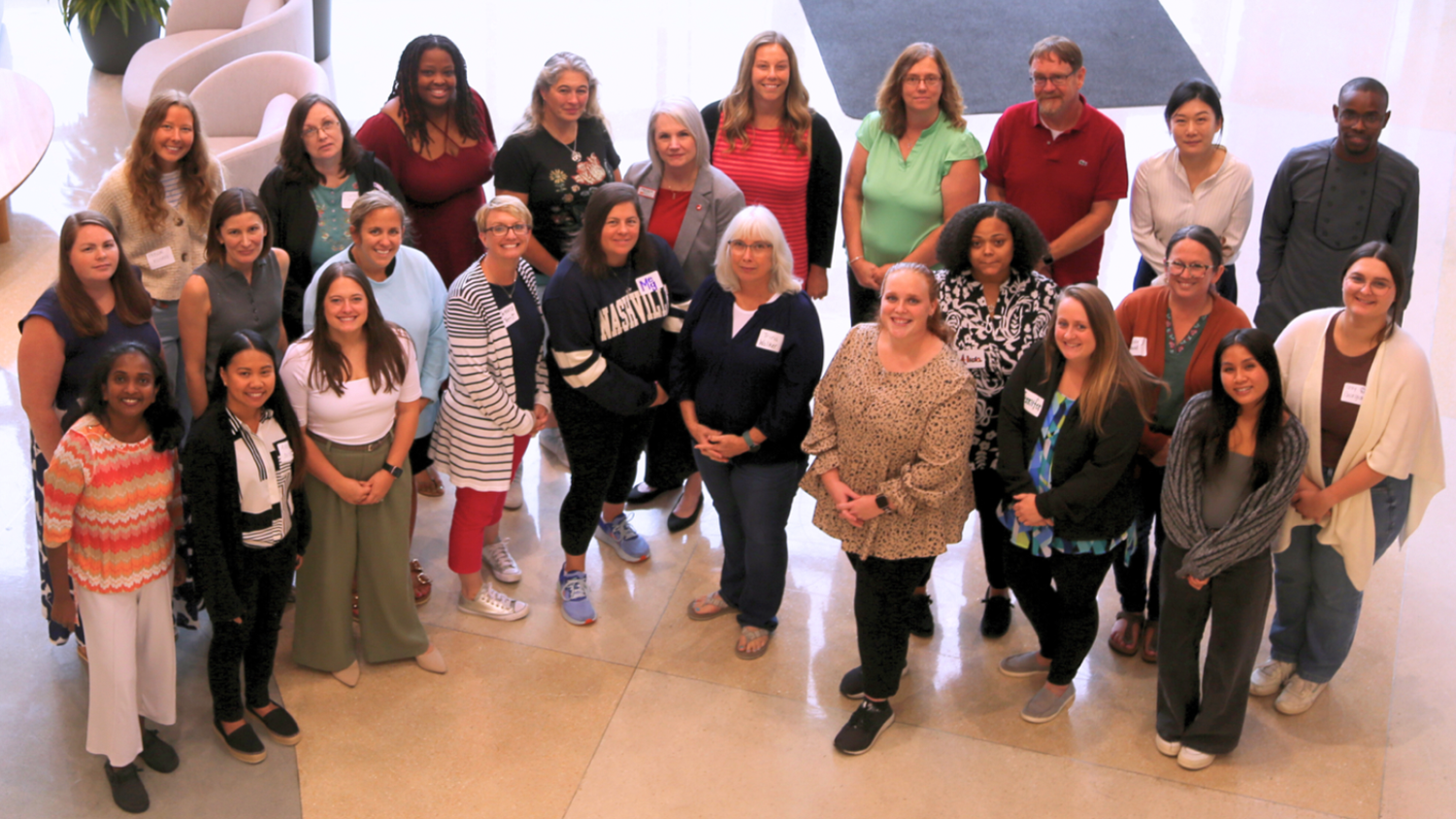
Seventeen North Carolina elementary school teachers are more prepared to integrate cybersecurity concepts into their math and science lessons thanks to professional development provided by scholars from NC State’s College of Education.
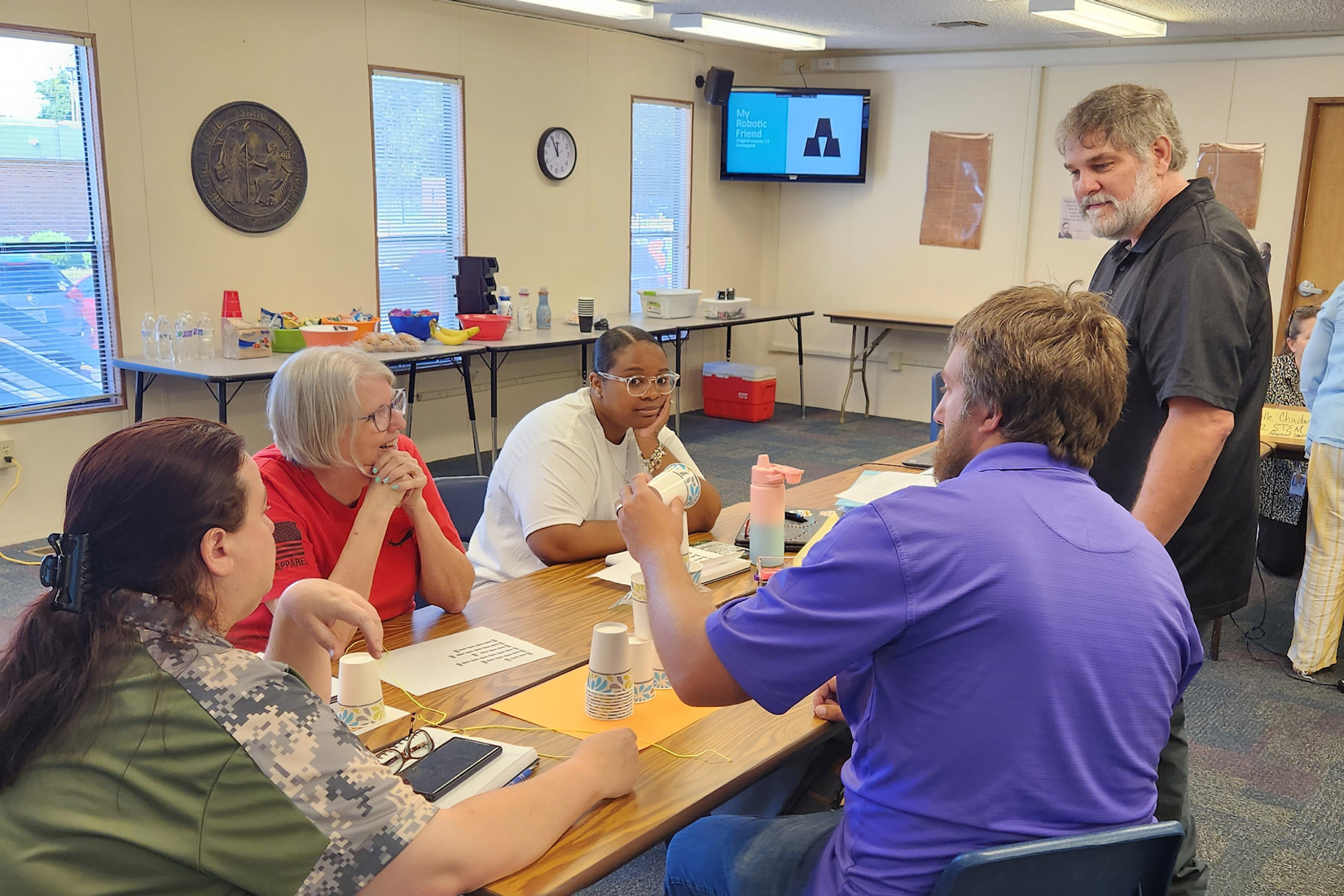
For five weeks this summer, the fourth- and fifth-grade teachers engaged in online, asynchronous modules on cybersecurity, covering topics such as cyberbullying, digital footprints, digital privacy and digital security. Then, on Aug. 7 and 8, participating teachers met at the Friday Institute for Educational Innovation for an in-person Design Thinking Institute, where they developed integrated lesson plans to infuse cybersecurity topics into math and science lessons.
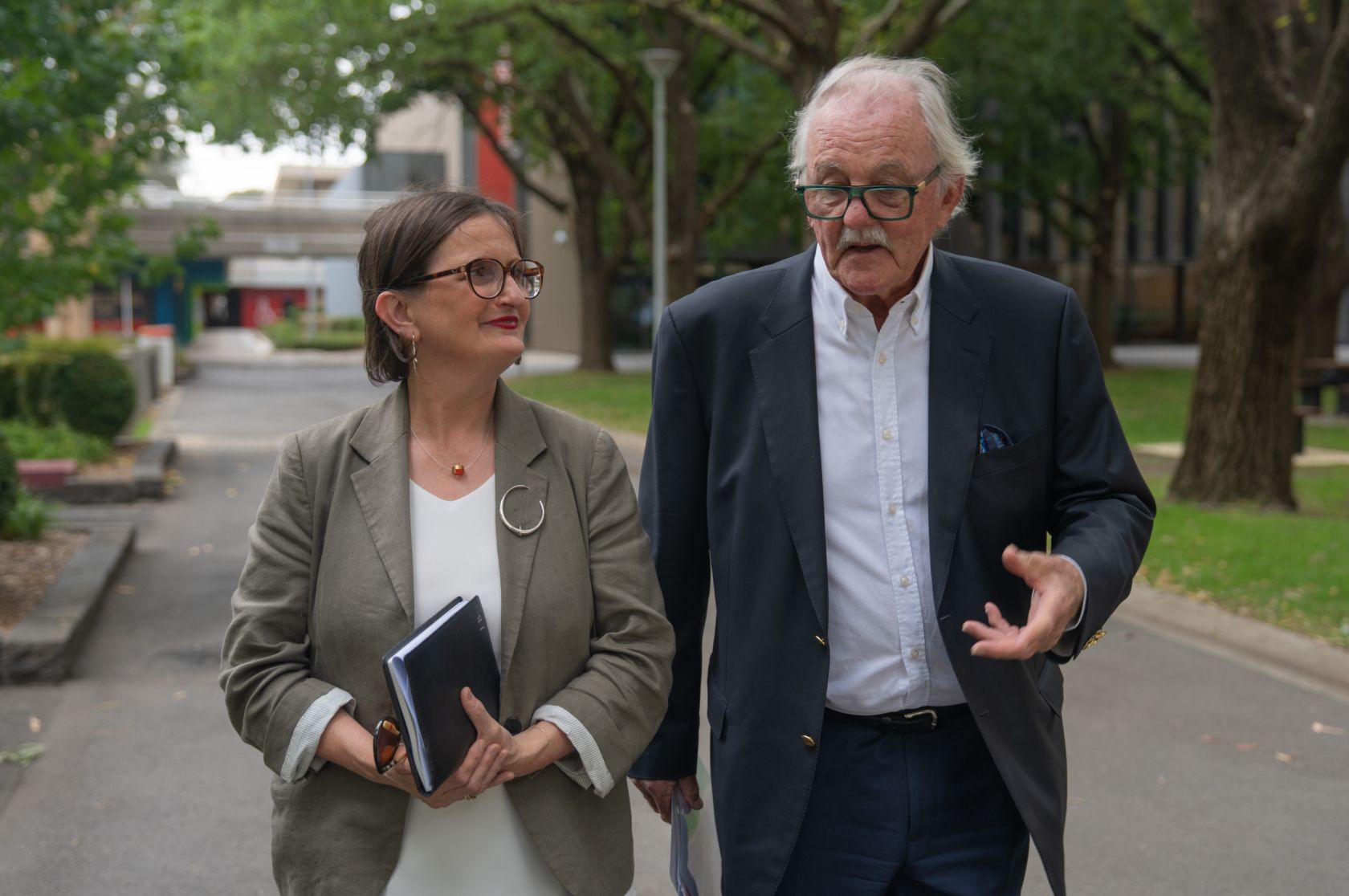
“From preliminary data analysis, teachers’ confidence and abilities have increased on cybersecurity topics [through participation in this professional development program],” said Professor of Learning, Design and Technology Florence Martin, who is the principal investigator on the $2 million National Science Foundation grant that’s funding the development of this new professional development model.
Awareness of cybersecurity topics for elementary students, Martin said, can lead to better digital habits and a stronger understanding of the risks that exist online. However, elementary school teachers often have little time for or experience in teaching these topics.
Through their grant-funded project, Martin and her co-principal investigators — Professor of Mathematics Education and Special Education Jessica Hunt, University of Deleware Associate Professor Teya Ruthford and Friday Institute Research Scholar Rebekah Davis — are studying teachers’ perception of the professional development model and how it supports their autonomy, relatedness and competence to integrate cybersecurity into their math and science curricula.
During the two-day Design Thinking Institute, teachers developed integrated lesson plans, which they will implement in their classrooms this fall. Examples of lessons included teaching students to create strong passwords using mathematical numerical patterns, learning about the differences between personal and private data and the risk of sharing private data online, and how digital footprints are similar to physical traits.

In feedback to the project team, teachers shared that they appreciated seeing modeled examples of how to integrate these topics into existing standards and the ability to collaborate with other educators who teach the same subjects and grade levels.
“I saw a real sense of excitement as teachers engaged with each other,” Hunt said. “We incorporated several opportunities for peer feedback, and it was really inspiring for me to hear how generative teachers’ conversations and sharing out of their lesson ideas and prototypes was. So many rich ideas were shared, and teachers really took care in noticing the strengths of others’s ideas and suggesting ways to build from them.”
As participating teachers implement their lessons this fall, they will continue to meet with the project team to reflect on their experiences and the professional development model will undergo additional refinement based on this feedback.
In the second year of the project, the team plans to invite an additional 30 teachers to participate in the professional development program and, Hunt said, several teachers who participated this year have already expressed interest in returning as mentors.
link